Video surveillance in business: what to settle before installation
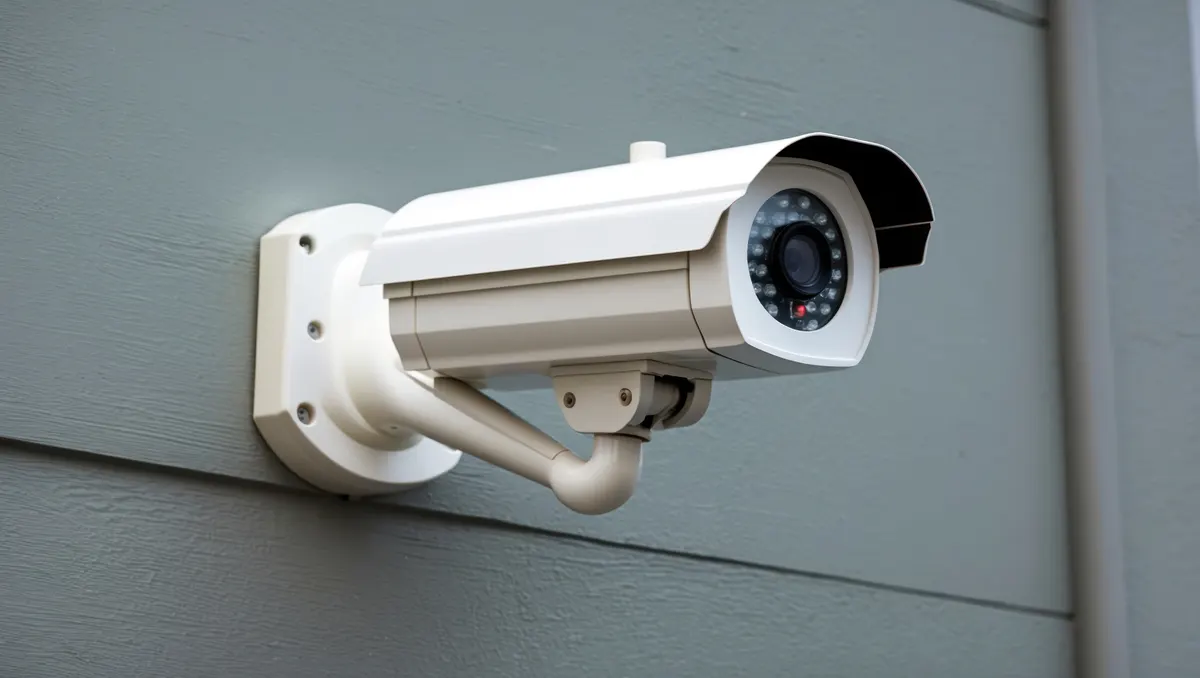
Video surveillance in business is permitted if you have a concrete purpose, the cameras are necessary for it and the rights of the people filmed do not outweigh it. This follows from the GDPR and the BDSG. Therefore settle what you want to protect before installation, and only then plan cameras, locations and storage.
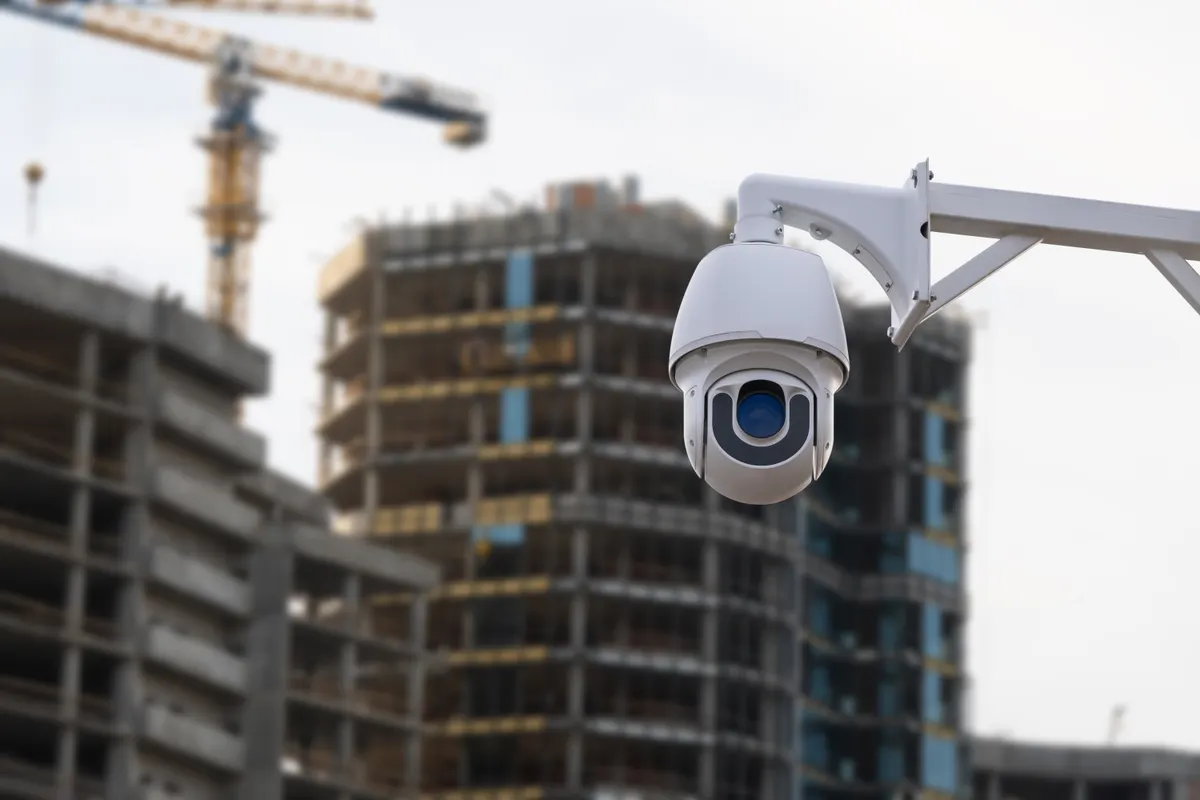
Planning begins with a walk-through of the property in which gaps are sought and not the most convenient spots for cabling. Typical weak points are found in these places:
- Loading bays and side entrances that are hardly visible from the street outside business hours
- Stairwells and escape routes that lie away from the main path and therefore rarely catch anyone’s eye
- Parking areas and outdoor areas with corners that none of the cameras installed so far covers
It is best to walk the site together with your security staff, because their experience often shows weak points that are not on the building plan. The property protection in Berlin, which considers technology and staff together, fits this topic.
Data protection in video surveillance: the key points
A video surveillance is compliant with data protection if you record purpose, necessity and balancing of interests in writing and inform the people affected. For companies the legitimate interest under Article 6(1)(f) GDPR is often the legal basis, supplemented by § 4 BDSG for publicly accessible spaces.
In practice you should regulate these points:
- Signs in front of the recorded area, showing the mandatory information under Article 13 GDPR visibly to those affected
- Retention period that is set in writing and keeps recordings only as long as the purpose requires
- Access rights that are limited to a few named persons and logged with every access
- Documentation in the record of processing activities and, for high risk, also a data protection impact assessment
Workplaces are particularly sensitive, because employees may not be monitored permanently. Here the rules of employee data protection in § 26 BDSG also apply, and the works council usually has a say. Rooms such as toilets or changing rooms remain off limits anyway.
This is not legal advice. Have your concept reviewed by your data protection officer or a law firm before the cameras run.
Live monitoring or recording: what suits your property?
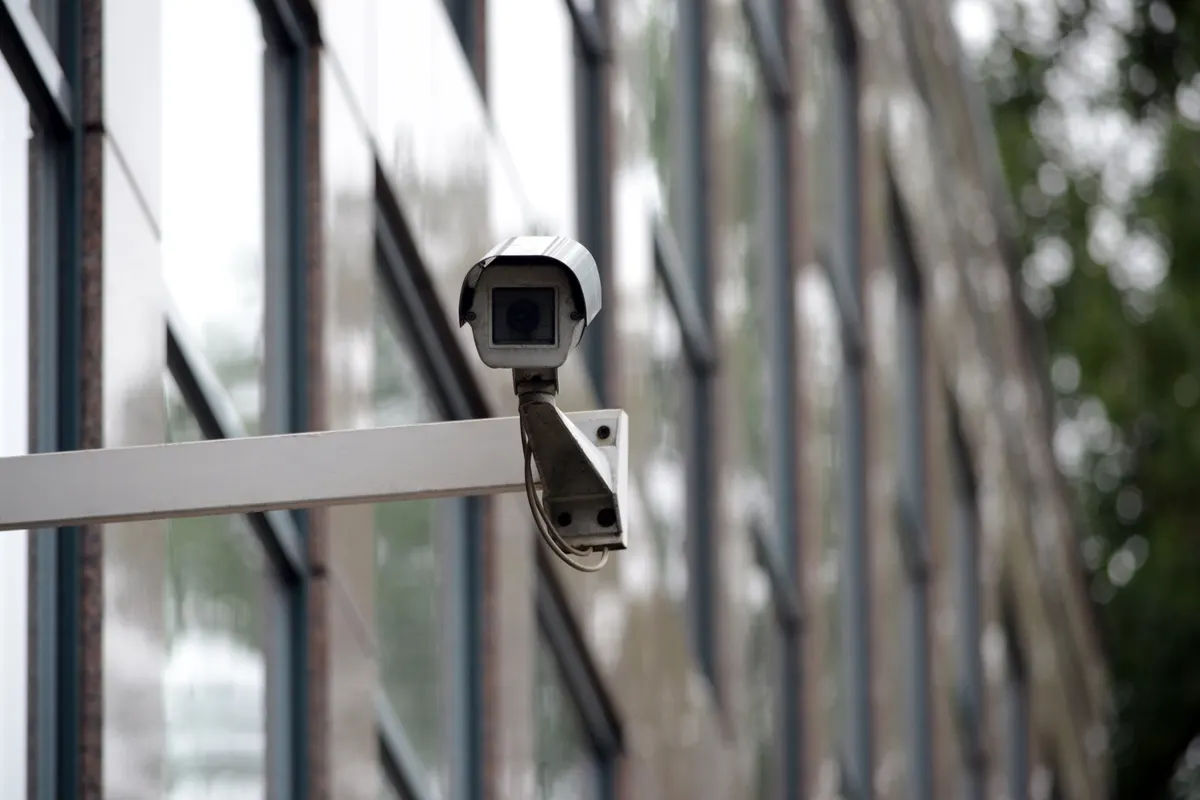
Recorded footage helps after an incident, live-evaluated footage can prevent one. Where the budget allows, high-risk areas are therefore observed in real time via a control centre and not just archived. For many properties a combination of continuous recording at all locations and live observation at the actual risk areas is enough.
These questions provide a decision aid:
- When do most incidents occur on your site, by day, at night or at weekends?
- Is proof after the fact enough for you, or must an on-site intervention be possible immediately?
- Who sees the images, and is this person also reachable outside business hours?
The narrower the circle of observers, the easier it is to comply with data protection. Live observation is also a stronger intrusion than mere recording, which is why you should justify it explicitly in the balancing of interests.
If you are unsure what makes sense for your site, a free consultation will clarify it based on your on-site conditions.
Linking cameras to an on-site response
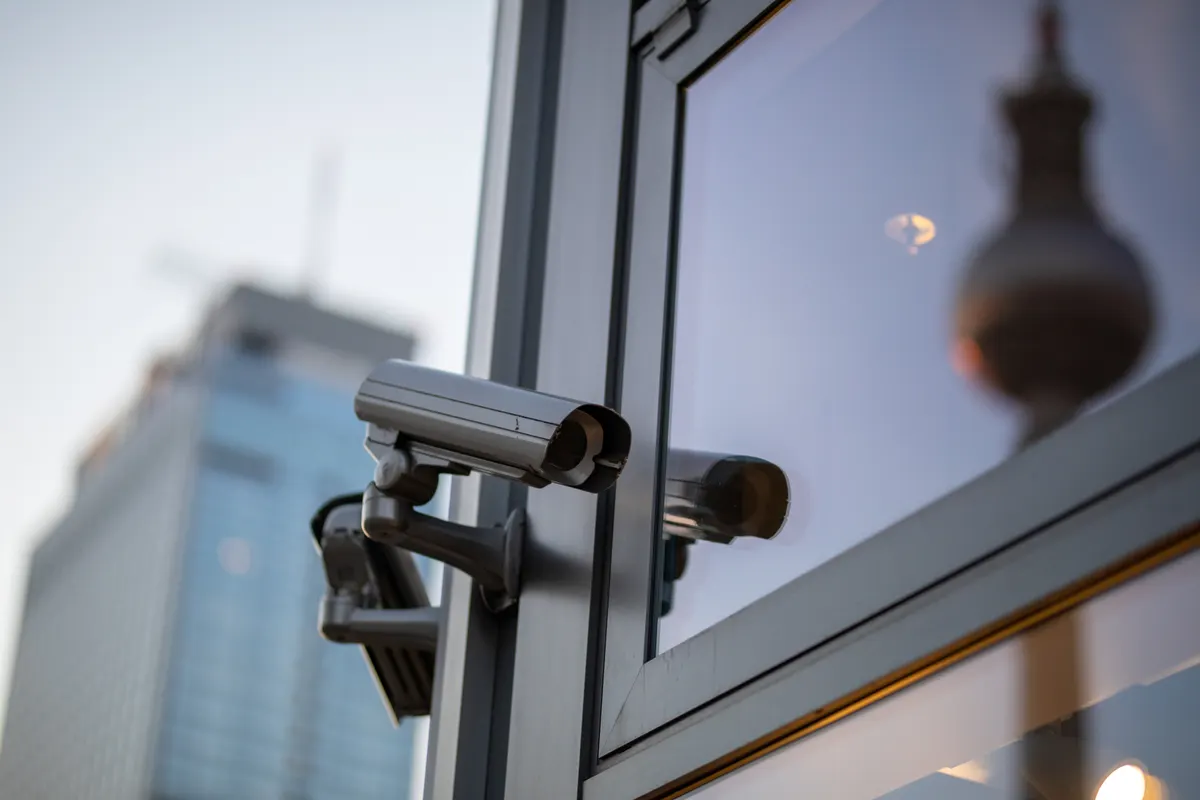
A camera that reports an incident is only useful if someone is ready to respond. Video surveillance is therefore most effective when linked to an on-site response or a dispatched guard service. Without this link an alarm remains information without consequence.
Define in advance what happens after an alarm:
- The control centre checks the image and assesses whether it is a real incident.
- In the case of a real incident a patrol is dispatched to the property or the police are called.
- The entire procedure is documented in the incident report so that you can trace it later.
A common mistake is to install cameras and look at the images only after damage has occurred, because then they provide evidence and prevent nothing. What a coordinated response looks like is shown by guard services in Berlin, where on-site staff and technology work together.
A free, non-binding consultation shows how cameras, guard staff and data protection can be combined for your property. This is not legal advice.
Legal basis: GDPR and BDSG (§ 4, § 26)