What does property protection include? Site walk, perimeter and access
Property protection covers all measures that protect a site, a building or a facility against break-ins, theft and unauthorised access. This includes staff on site, patrols, access rules, technology and clean documentation, and a risk analysis shows which of these building blocks your property actually needs.
Every assignment begins with a site walk in which we look for weak points such as unlit corners, unsecured side entrances and gaps in the fence. You receive the result in writing, with concrete recommendations instead of an internal note.
The perimeter comes next as the first ring of protection, because fence, gates and lighting determine where an intruder can even start. Access points are controlled and logged so that only authorised people and vehicles get through. How this looks in detail for property protection in Berlin depends on the site.
The site walk mainly checks whether the following points are in order:
- Lighting and visibility are sufficient for irregularities to be noticed and reported in good time
- Side and delivery entrances and vehicle access are secured and used only by authorised people
- Fence and gates are undamaged, and rules defined in advance apply to visitors and suppliers
Patrols: how often and how unpredictable?
Fixed checkpoints with changing times protect better than a fixed route, because anyone who knows the round can avoid it. That is why we define the checkpoints but vary the order and the timing of the individual rounds.
Every round is time-stamped, so you receive verifiable proof instead of a mere promise. If irregularities appear repeatedly in certain places, we adjust the route accordingly.
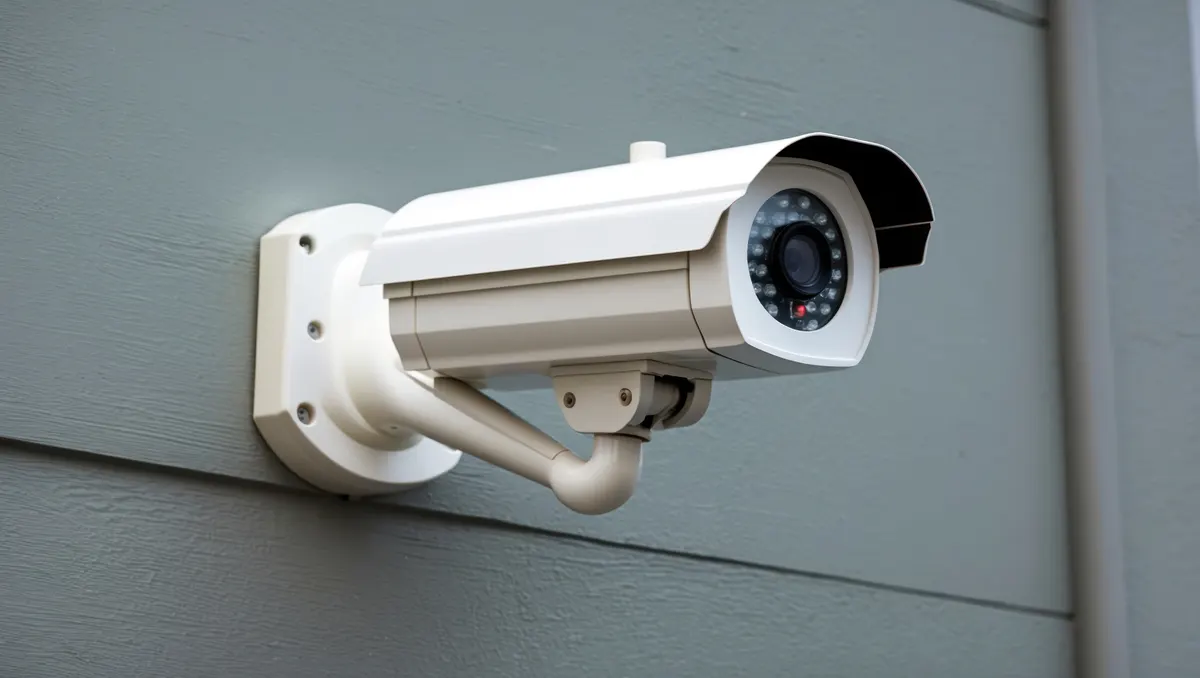
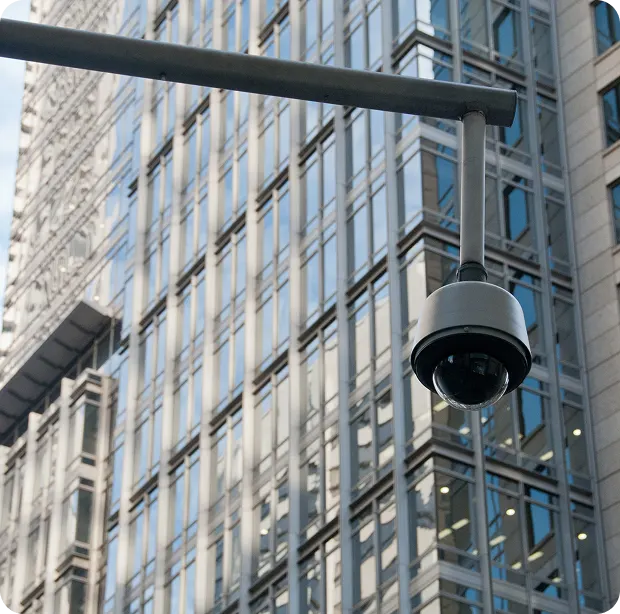
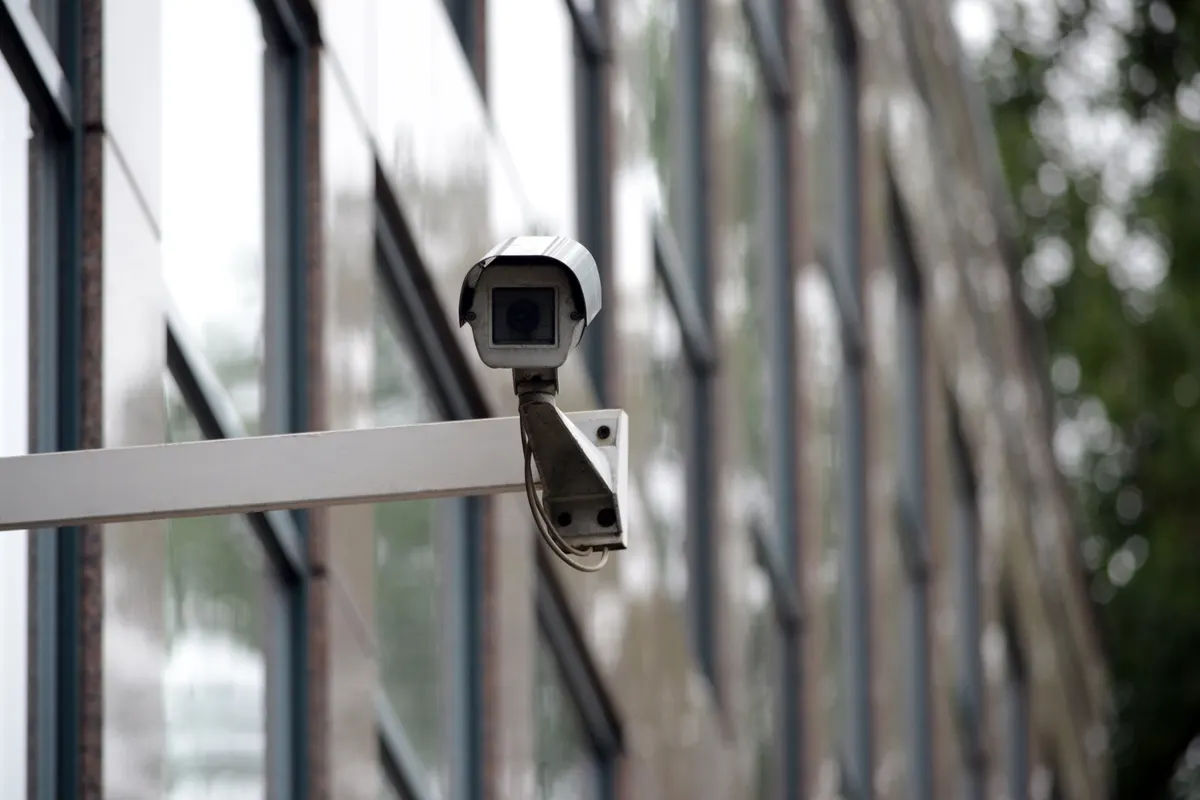
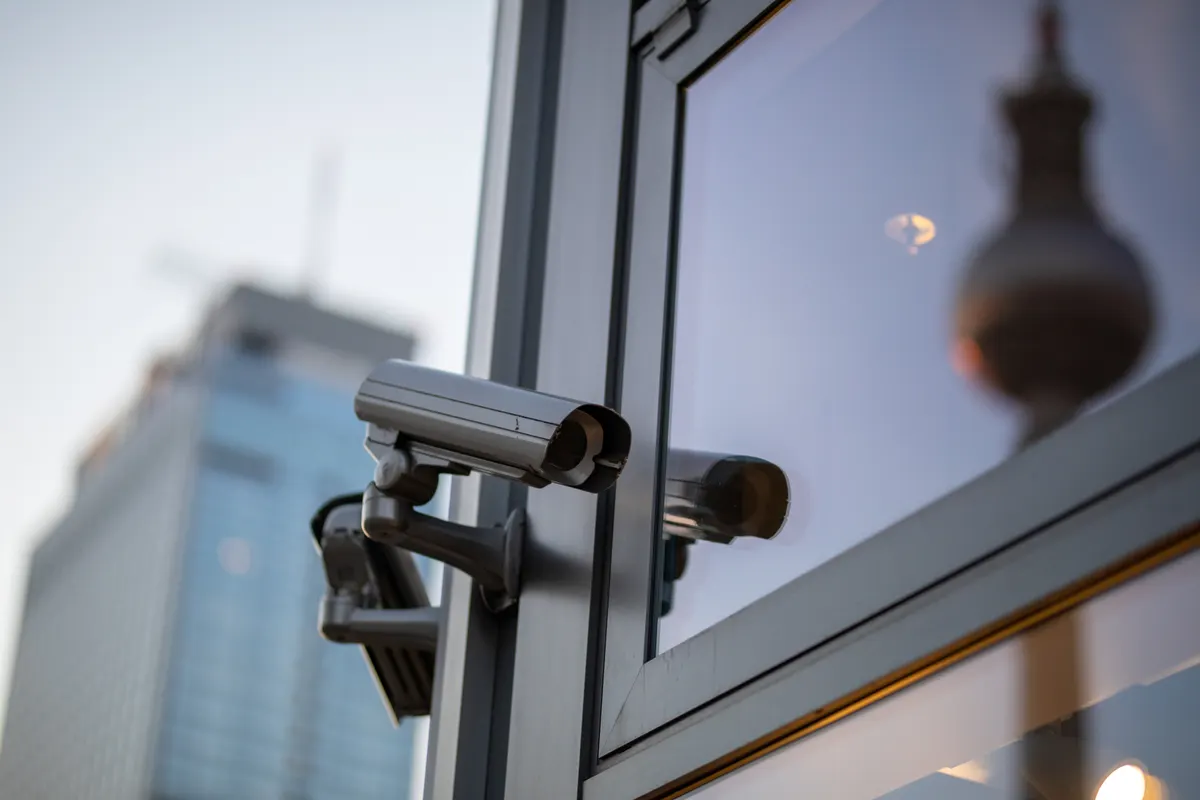
Technology supports patrols but does not replace them: a camera records, and a person assesses the situation and steps in. If you use video surveillance, the GDPR and the BDSG apply, for example with signage and a defined purpose. This is an overview of the framework and not legal advice.
Whether you need a guard service, technology or both depends on the property. A guard service pays off above all where someone must act immediately in an emergency, and a free consultation clarifies this for your property.
Key management: who has access to your property?
Keys, transponders and alarm codes belong in a register, not in a pocket. The register shows who received which access and when, and when staff change, access is withdrawn the same day. After an incident, this makes it quick to narrow down who had access at the time in question, whereas without a register there is often only guesswork.
Two typical gaps in everyday operations that a register makes visible are these:
- Keys of former employees that were never returned and therefore still allow access
- Alarm codes that have not changed for years, and spare keys without a register entry
If your entrance is staffed, a reception service handles the check-in of visitors and suppliers. Anyone who is supposed to enforce access rules must know them precisely, which is why our IHK-certified staff are briefed on the specifics of your property.
Documenting incidents: what insurers and the police need
An incident is only proven once it has been recorded with time, place and, where possible, photos. This applies to a forced door just as much as to a defective lock or an unknown vehicle. In a dispute with an insurer or with the police, timestamps and photos carry more weight than a recollection after the fact, which is why you receive an incident report after deployments.
From the client's point of view, property protection runs in four steps. First comes the risk analysis, from which the strategy follows, and then come deployment and monitoring. Finally, the set-up is optimised as soon as the reports show where to refine it.
The limits are clear as well: guards have no sovereign powers but exercise the domestic authority of the client. They may detain a person provisionally under § 127 StPO if caught in the act, and after that the police take over. These notes are general information and not legal advice.
We are happy to discuss with you how much protection your property needs, and a free, non-binding consultation is the first step.
Legal basis: § 34a GewO, § 127 StPO, domestic authority (Hausrecht), GDPR and BDSG (video surveillance)