
Doorman and bouncer: where is the difference?
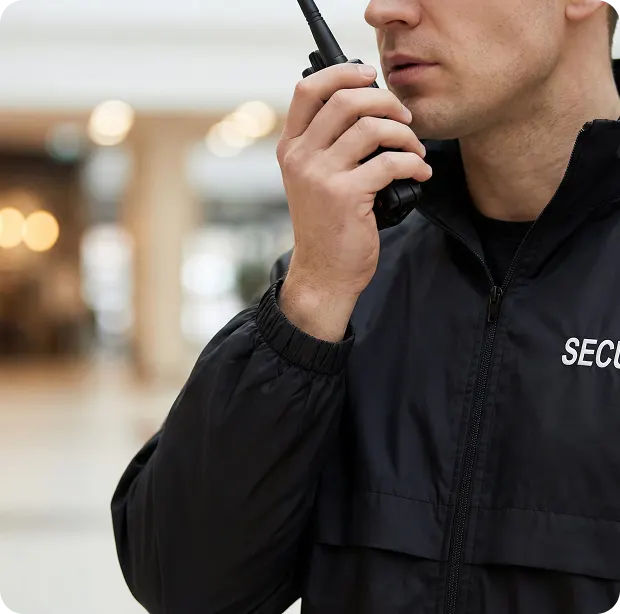
A bouncer regulates admission at clubs, bars and events and decides according to the operator's rules who gets in. A doorman, by contrast, looks after the entrance of a residential or commercial building and is responsible for residents, visitors and deliveries. Both control access, but the audience and the task are different.
For the bouncer, selection is in the foreground, for example the age check under the Youth Protection Act, compliance with the house rules and the limit on the number of guests. For the doorman it is about reliability in everyday life, that is familiar faces, parcels, tradespeople and an access log for the property management.
The boundaries are fluid, because in hotels or upscale clubs the two roles mix. A simple question helps with the decision: who is allowed to pass the door, and who is expected there?
A short overview of the typical places of use:
- Clubs, bars and private parties with admission rules and a guest list, which are usually staffed in the evening and at night
- Residential and commercial buildings with residents, deliveries and tradespeople, where the entrance is often staffed during the day
- Hotels and event venues that combine both tasks and need their own arrangement
We design the right doorman service around exactly these questions.
Guest lists, ID checks and clear rules at the entrance
A clean admission process starts with a verified list and an ID check, not with a spontaneous judgement in the moment. In case of discrepancies nothing is improvised at the door, instead the decision follows criteria that were agreed in advance with the operator. This protects guests and staff alike.
The legal basis is the right of the house owner of the operator, because they may determine who enters, and the staff carry out this decision. A refusal needs no long justification, but it must follow comprehensible rules and must not disadvantage anyone without a reason.
Anyone who controls admission commercially needs the permit under § 34a GewO. For guarding in the entrance area of discotheques the law even prescribes an expertise exam at the IHK. Our staff are IHK-certified.
Data protection also applies to guest lists. Lists with names should only be seen by those who need them for admission, and they should not be kept longer than necessary after the event.
These three questions should be clarified in writing with the operator before every evening:
- Who is on the list, and who may add or remove people afterwards?
- Which IDs are accepted, and how are deviating details handled?
- Who decides in cases of doubt, and how can the door staff reach them quickly?
De-escalation: what a bouncer may and may not do
Most conflicts at the entrance can be resolved with calm, direct communication. Trained door staff de-escalate first and only use physical intervention as a last resort, and only within legal limits. The same rights of every citizen apply to bouncers as to everyone else, that is self-defence, assistance to others and provisional detention in case of a crime under § 127 StPO.
The staff have no police powers. An intervention that is not proportionate can cost the operator dearly, for that reason every measure is recorded in writing. The log later shows what happened and why action was taken.
In everyday work small habits help more than great strength. These include a clear tone, a firm stance without threatening gestures and a second colleague who watches from the side. Anyone who keeps an eye on the crowd often recognises a dispute before it reaches the door.
For larger events with several entrances and safety requirements, event security takes over the overall planning. This is not legal advice, and in individual incidents the operator should seek legal counsel. A free consultation clarifies this for your property.
Doorman in residential and commercial buildings: procedure and benefit
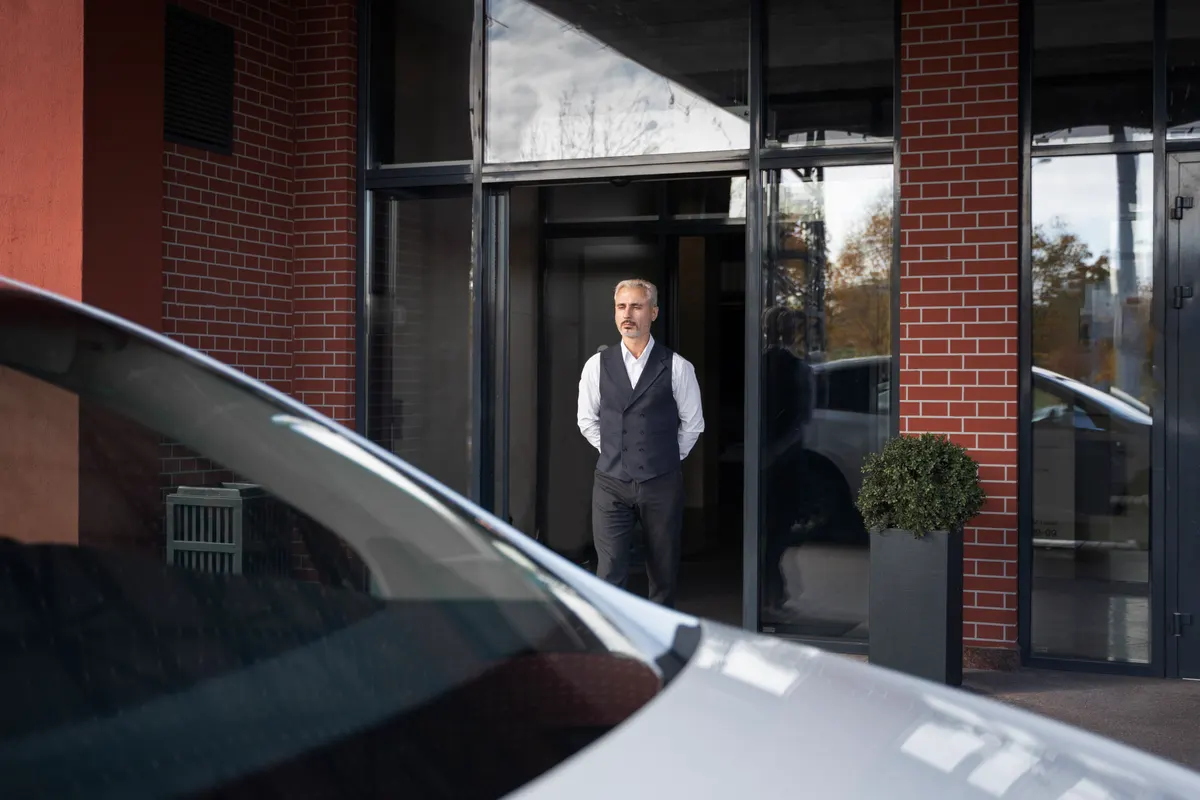
In residential and commercial properties a doorman accepts deliveries, escorts visitors and tradespeople and keeps an access log that the property management can view. For residents this means more security in everyday life without access to their own home becoming more complicated.
From the residents' point of view a visit works like this. The guest reports at reception, and the doorman calls the flat. Only after confirmation does he let them through. For deliveries and tradespeople he checks the order and enters time and name in the log. Anyone who announces a visit in advance can shorten the procedure further, because the doorman already knows.
A continuously staffed entrance keeps problems away in advance, because presence alone does part of the work. Anyone with more visitor traffic finds the complement in the reception service with front desk and visitor guidance.
What remains open is which times and which scope make sense for your building. That depends on the number of parties, the deliveries and the visiting hours. We clarify it in a risk analysis, develop a strategy and adjust the deployment during operation. We are reachable around the clock. The consultation is free and non-binding.
Legal basis: § 34a GewO (guarding trade, expertise exam), § 127 StPO (provisional arrest), self-defence and assistance to others, right of the house owner, Youth Protection Act, GDPR