
What belongs in a security concept for a large event?
A security concept for a large event describes in writing how visitors, staff and grounds are protected. It covers risk analysis, visitor guidance, access rules, staff deployment and emergency planning. Above a certain size, the authorities require it for the permit, and even below that it is useful for internal coordination.
The concept is not a template but a working document for exactly this place and this day. It clarifies who decides what in case of a disruption and how the team learns about it. A concept that only sits in a folder does not help in an emergency if nobody on the team knows it.
At large events the risks grow with the number of visitors, with multiple entrances, with temporary infrastructure and with constantly changing crowds. Without planning, unauthorised access, overcrowding, theft and vandalism, communication failures, medical emergencies, fire hazards and evacuation problems are likely.
Event security begins long before admission, because those who plan early find bottlenecks on paper. Then the permit authority, the security service and the rescue forces work from the same assumptions.
How do risk analysis and crowd management work?
Risk analysis starts with the venue itself, because layout, expected visitor numbers, access roads and surroundings determine where it gets tight. Each hazard is then assessed by likelihood and consequences, and a measure is assigned to cover it. A concert with standing room rests on different assumptions than a trade fair with several halls, and the analysis has to make exactly these differences visible.
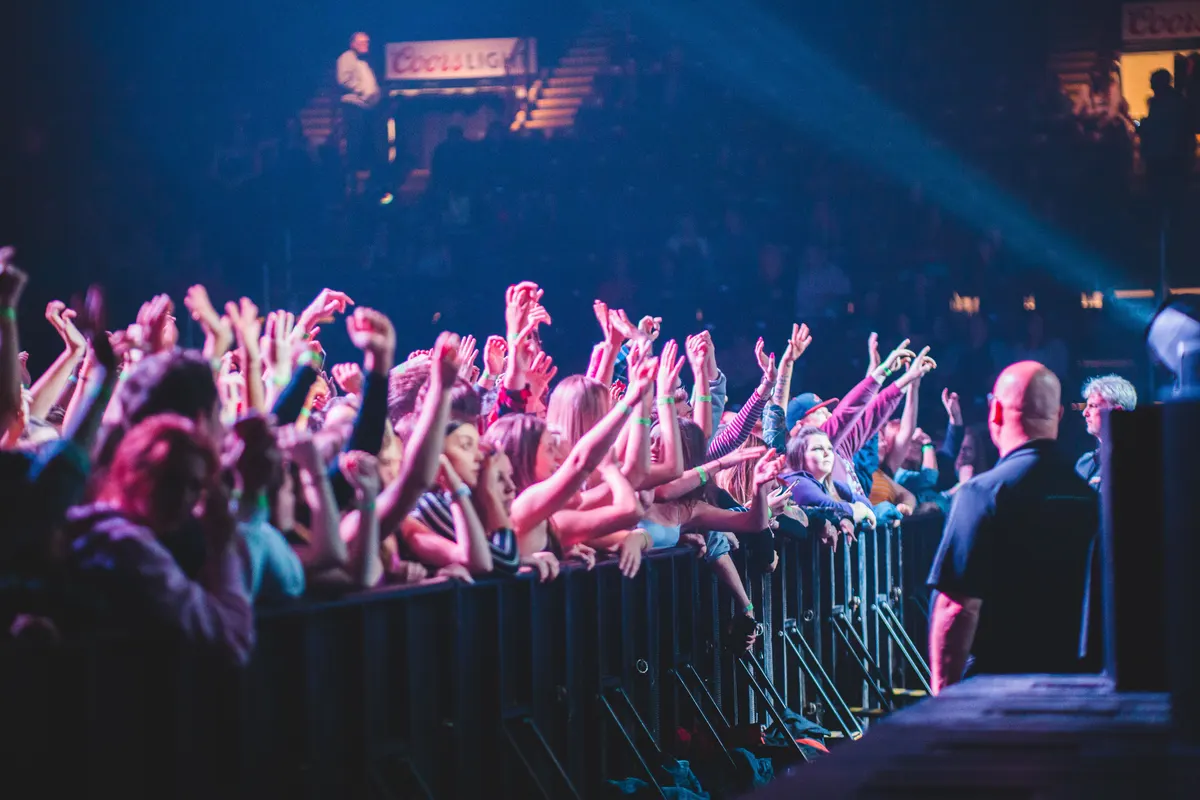
Crowd management controls how people move across the grounds, and the inflow, the time spent at bottlenecks and the outflow at the end are decisive. Clearly marked routes, separate entrances and exits and trained staff at junctions keep the flow moving. It helps to mark congestion points on the site plan in advance and to schedule staff there from the start who guide visitors on in a friendly way.
From the organiser's point of view, planning usually follows this order: first you walk the site together with the security lead. Then you divide it into zones for visitors, backstage and operations. After that you define the routes for arrival and departure and align everything with the fire safety and rescue concept.
Typical mistakes rarely happen at admission, more often the outflow is forgotten, although everybody wants to leave at the same time once the programme ends. A change in weather also alters visitor flows, for example when everyone seeks shelter under the same roof and many people suddenly gather in a tight space.
Security experts analyse:
- Event size and expected number of attendees
- Venue layout and infrastructure
- Entrances and exits
- Emergency access routes
- Movement patterns of crowds
- High-risk areas
- VIP or restricted zones
- Potential external threats
This assessment helps create a security strategy designed specifically for the event environment.
How do you secure access, technology and staff?
Access zones separate public areas from backstage, VIP areas and operational rooms. Accreditations, ID checks and bag checks make sure that only authorised people get in and that the zones really stay separate during the event. Admission stays quick when enough lanes are staffed and visitors know in advance what they may bring.
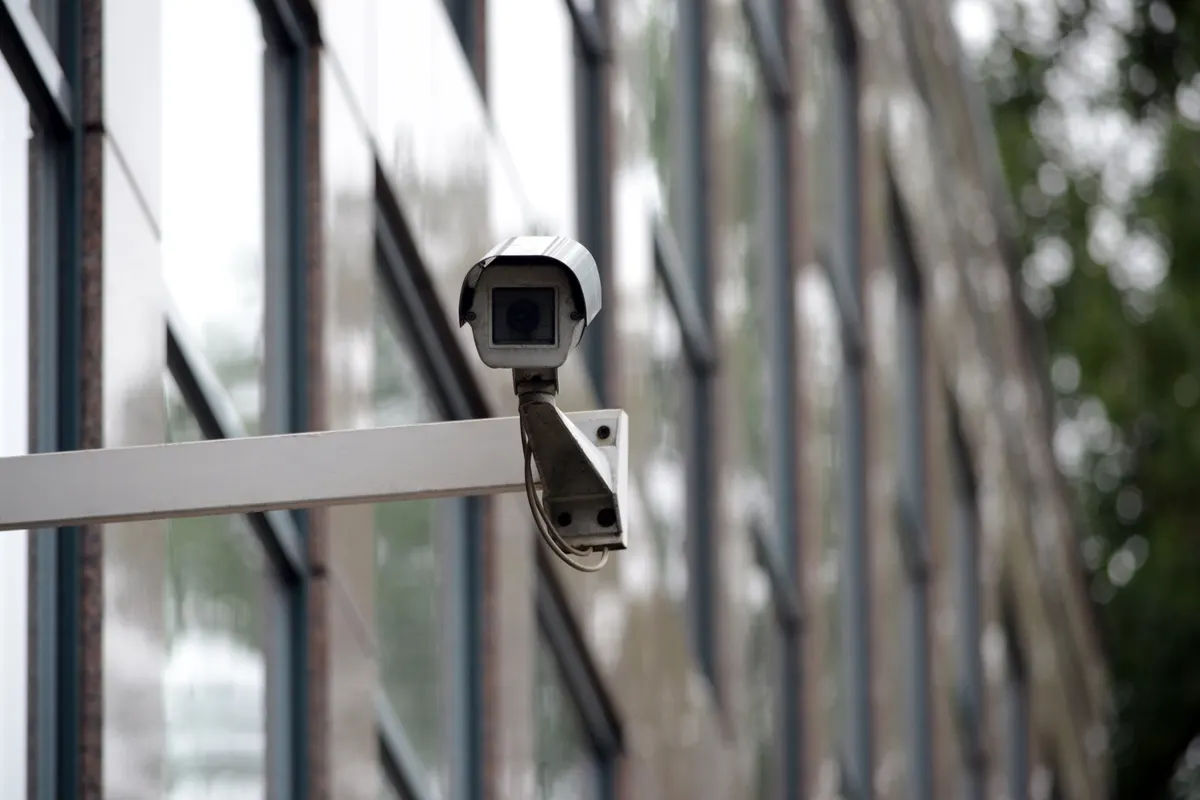
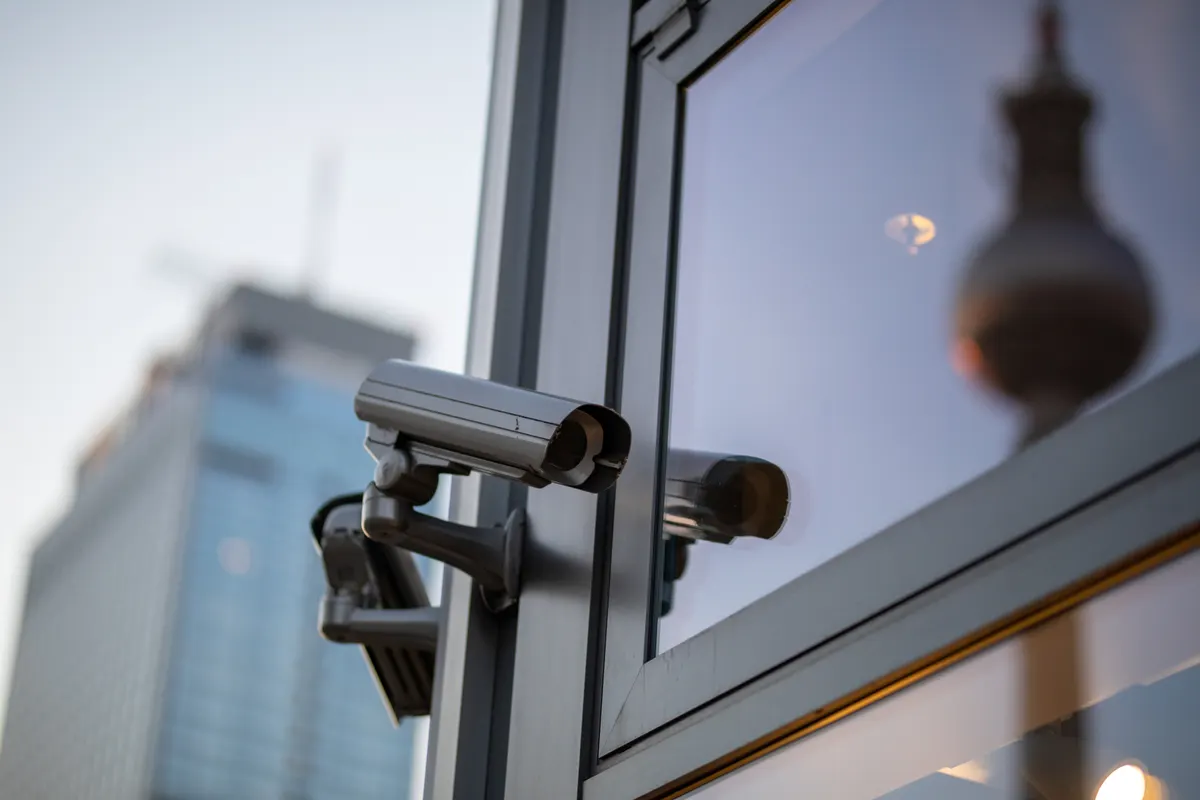
Technology supports the staff with the overview but does not replace the decisions of the people on site. Radio, a central control point and, where needed, video surveillance give the team the overview. GDPR and the Federal Data Protection Act apply to cameras, which means signage and a clearly stated purpose.
Which mix of staff and technology suits your event can be clarified in a conversation. A free consultation clarifies this for your property.
Anyone guarding for third parties commercially needs a permit under § 34a GewO, and the staff need the matching qualification, at ESG they are IHK-certified. For deployment planning, a clear division of tasks in event security matters most. This includes fixed positions per zone, a briefing before admission and a relief plan for long shifts.
For entrances with guest lists or age checks, a doorman at the entrance can also make sense. Fixed contacts for stage, technology and catering shorten the paths in an emergency and make sure that queries do not end up in the wrong place.

What must the emergency plan of a large event cover?
The emergency plan defines who decides in case of an incident and what happens next. It covers evacuation, rescue routes, assembly points, announcements and the report to emergency services, fire brigade and police. The question of when an event is interrupted or cancelled also belongs in it.
Escape routes must stay clear and recognisable, and the assembly venue ordinance sets concrete requirements for this, which the authority checks during the permit procedure. Access roads for emergency vehicles must not be blocked by structures, deliveries or barriers, not even briefly during set-up and dismantling.
Also plan for cases that are rare but do occur and then demand quick decisions. These include a medical emergency in the crowd, a storm, a failure of power or sound system and a fire in a structure.
Coordination with the public order office, police and emergency services should take place in good time before the event. After that the rule is: practise instead of hoping, because a short briefing with everyone involved shows whether radio channels, responsibilities and meeting points hold up. Those who assign the roles beforehand lose no time in an emergency asking who decides. After an operation, incident reports record what happened and provide the basis for planning the next event.
If you want to review or rebuild a concept, a first conversation helps. A free consultation clarifies this for your event. This is not legal advice.
Legal basis: § 34a GewO, assembly venue ordinance (Versammlungsstättenverordnung), GDPR, BDSG